The Drug Supply Chain Is Broken. A New Breakthrough Paves The Way For On-Demand Plant-Based Medicine
When Covid hit and hospitals started reporting shortages of hydroxychloroquine and other medicines vital to patients with conditions like malaria, lupus, asthma, and COPD, it became clear that our drug supply chain was broken…
Revealed: A Clearer View of How General Anaesthetics Actually Work
You may never have heard of tropane alkaloids, but they are classed as essential medicines by the World Health Organization, for good reason since they are used in the treatment of a wide range of conditions, as synthetic biologist Christina Smolke explains…
Three plant-based pharmaceuticals: taxol, scopolamine and buprenorphine
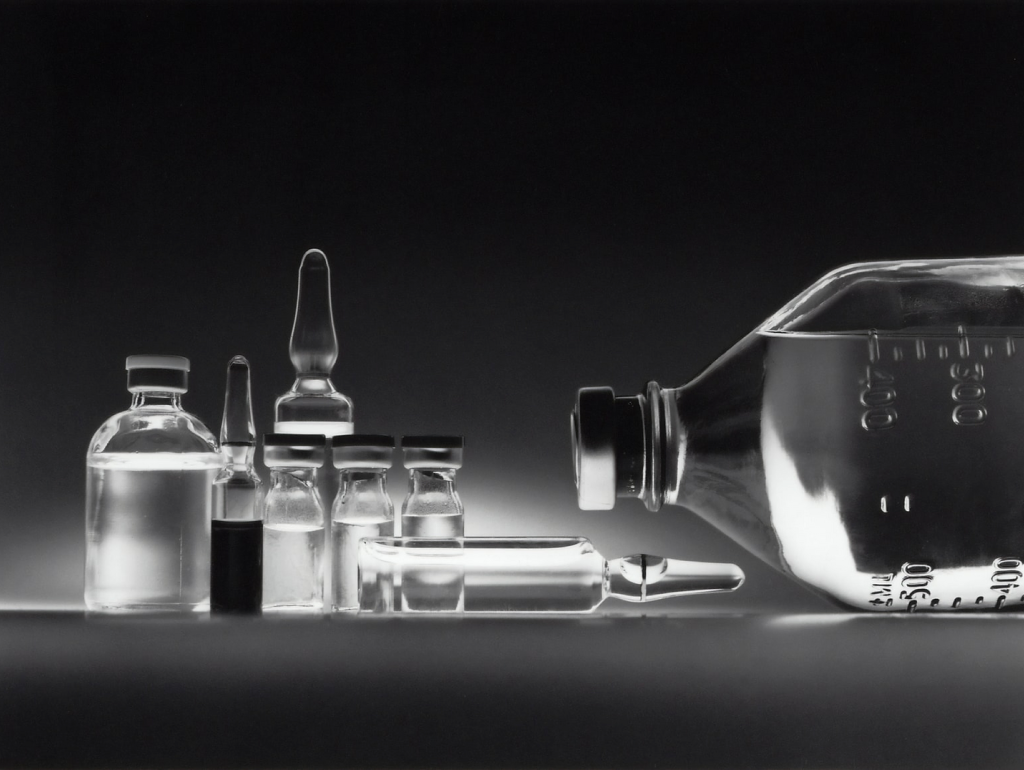
Over the last 150 years, the pharmaceutical industry has focused on decoupling the production of medicinal compounds from their sources in the natural world, which are susceptible to unpredictable swings in supply due to natural events like wildfires, drought or floods…
As Featured in STAT: The pharma supply chain is broken. Synthetic biology could fix it.
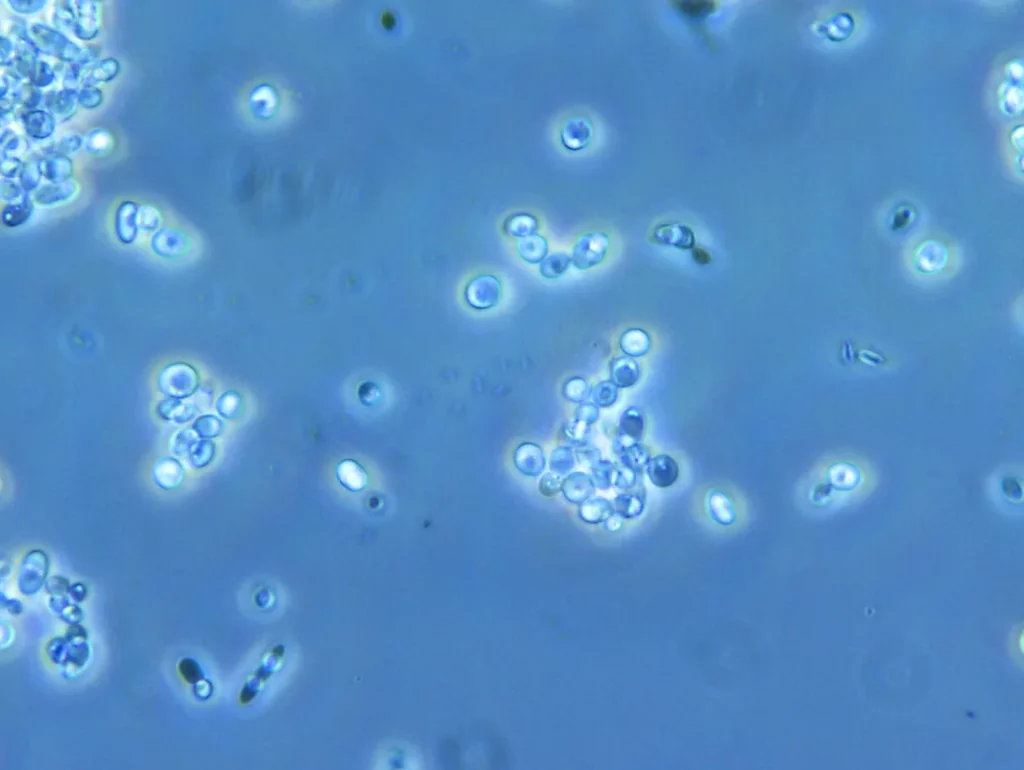
We started Antheia four years ago with a steadfast commitment to help build a more robust drug supply chain – one that delivers the right medicines to the right people, at the right time. In the era of COVID-19, this work is more important than ever before…
The pandemic has exposed our broken pharma supply chain. Synthetic biology and brewer’s yeast could fix it.
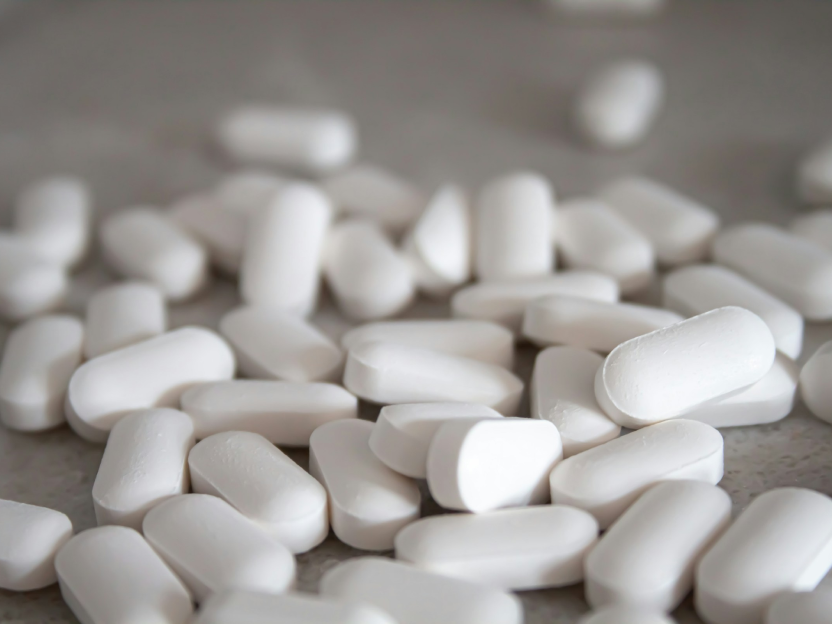
Covid-19 has depleted stockpiles of essential medicines in the U.S., straining our supply chains and hobbling the treatment of critically ill patients.
The Journey of a Pill
mericans spend over $300 billion on pharmaceutical drugs every year. In normal times, the supply chain behind these drugs is designed to go unnoticed…
Modern Medicine’s Ancient Roots
For thousands of years, communities across cultures and geographies have relied on the inherent healing properties of plants. Ancient Greek physicians prized mint for treating digestive issues and it is used frequently today in the…
Stanford Team Turns Lowly Yeast into Medicine, and So Much More
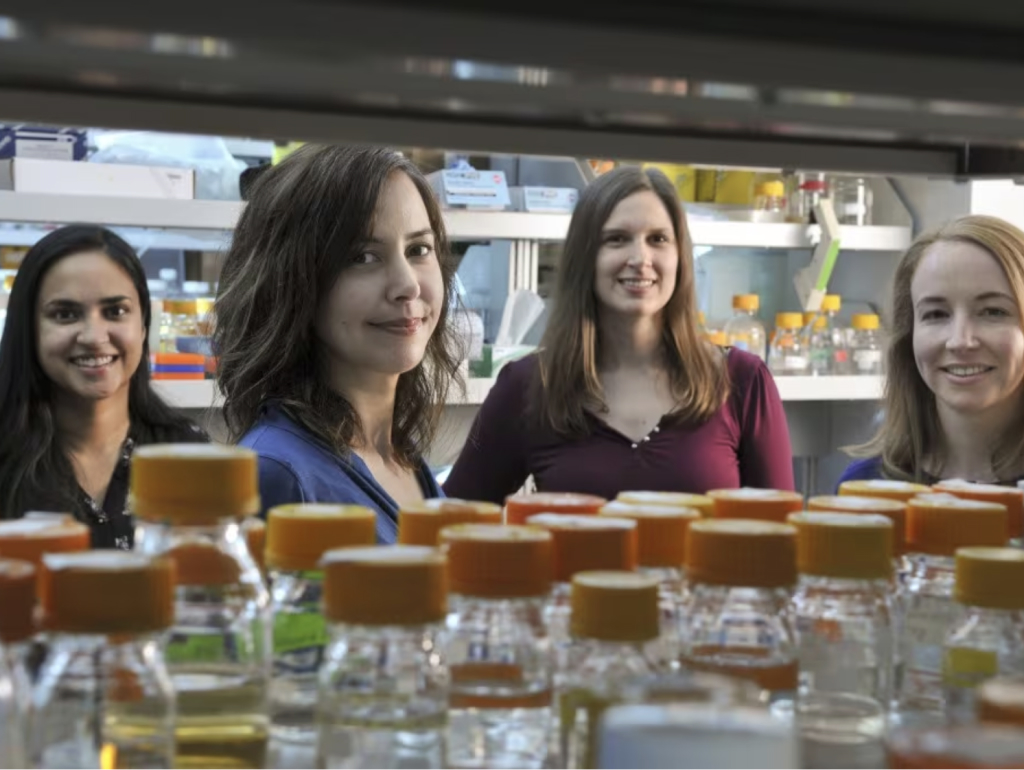
For millenniums, humans have harnessed yeast to brew beer. Now, in the latest advance in the fast-moving field of “synthetic biology,” a Stanford team is enlisting the lowly fungus to do so much more…
Can This Silicon Valley Startup Bioengineer A Less Addictive Opioid?
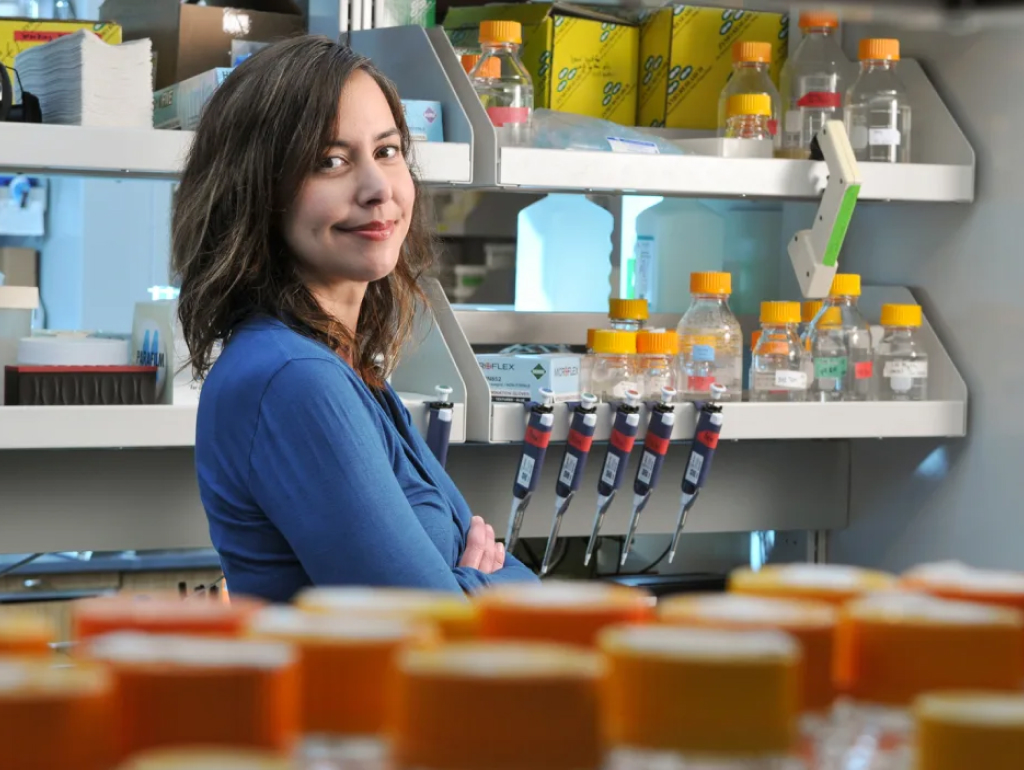
Back in 2015, a 40-year-old synthetic biologist named Christina Smolke, along with a small team of researchers at Stanford, made a huge discovery. They proved that a genetically engineered yeast could produce opioid molecules…
Breaking the Walls to Affordable Medicines
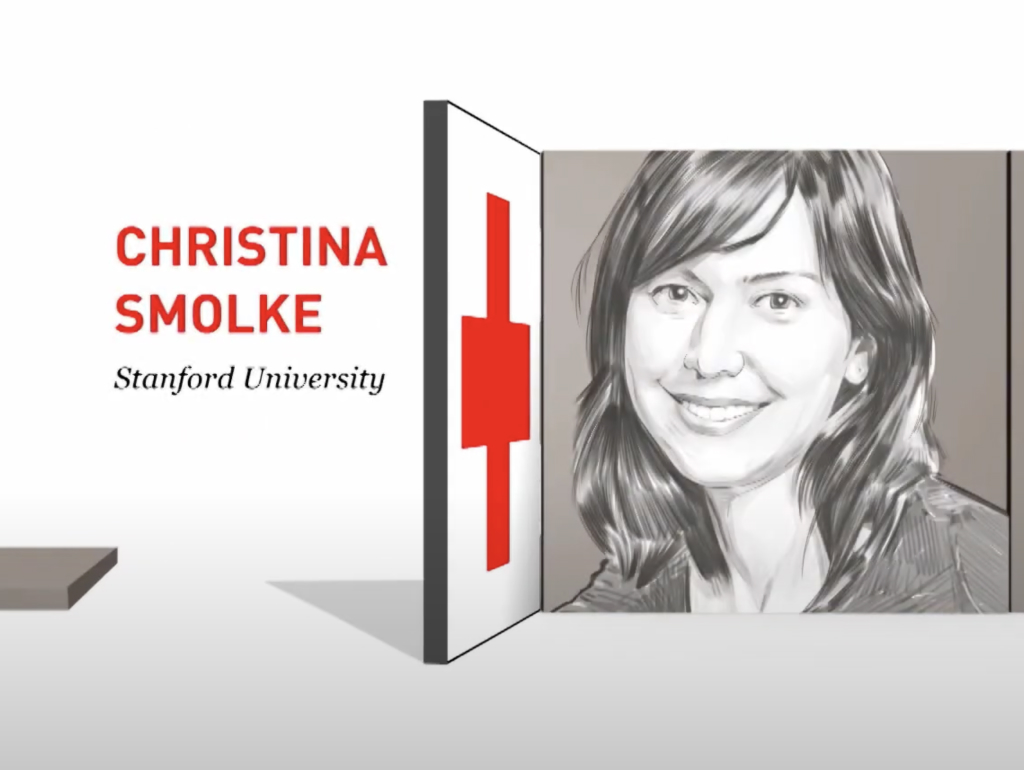
In the current age of life sciences, we have come to invent better and better drugs that are increasingly efficient in relieving pain and treating diseases. Despite this positive trend, the world continuously faces serious…